
 Written by
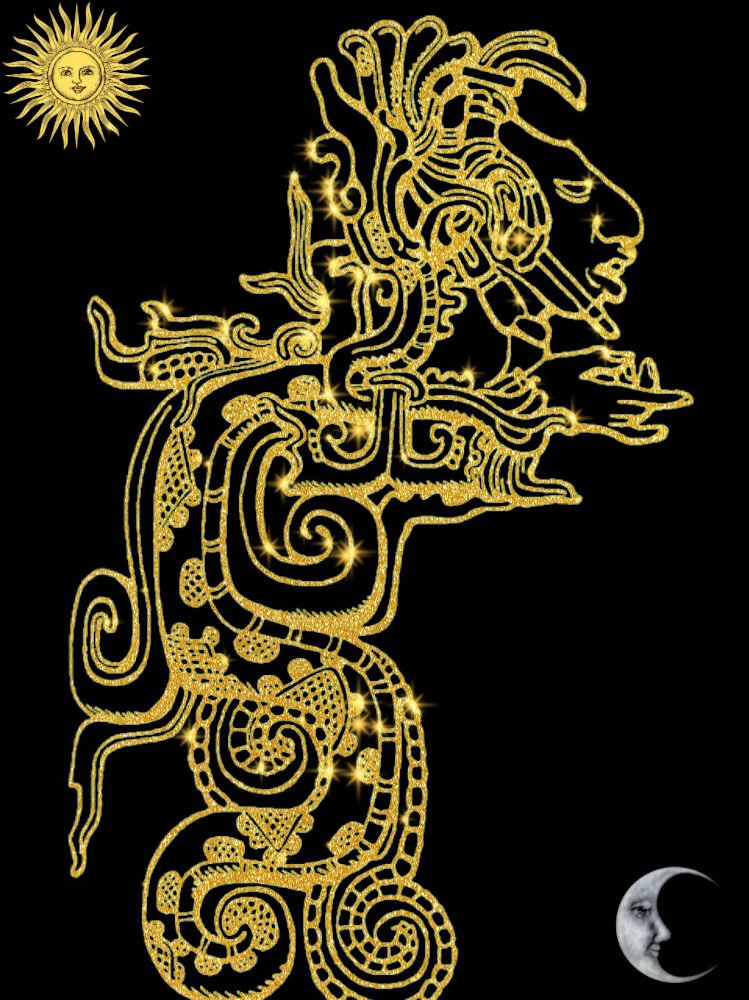
Kundalini, in the Hindu tradition, is a well-defined principle of spiritual energy. The Sanskrit term kundalini means “the coiled one,” referring to the latent power that rests at the base of the spine in the Muladhara chakra. This energy, often symbolized as a serpent, is central to the yogic understanding of human transformation.
The Nature of Kundalini
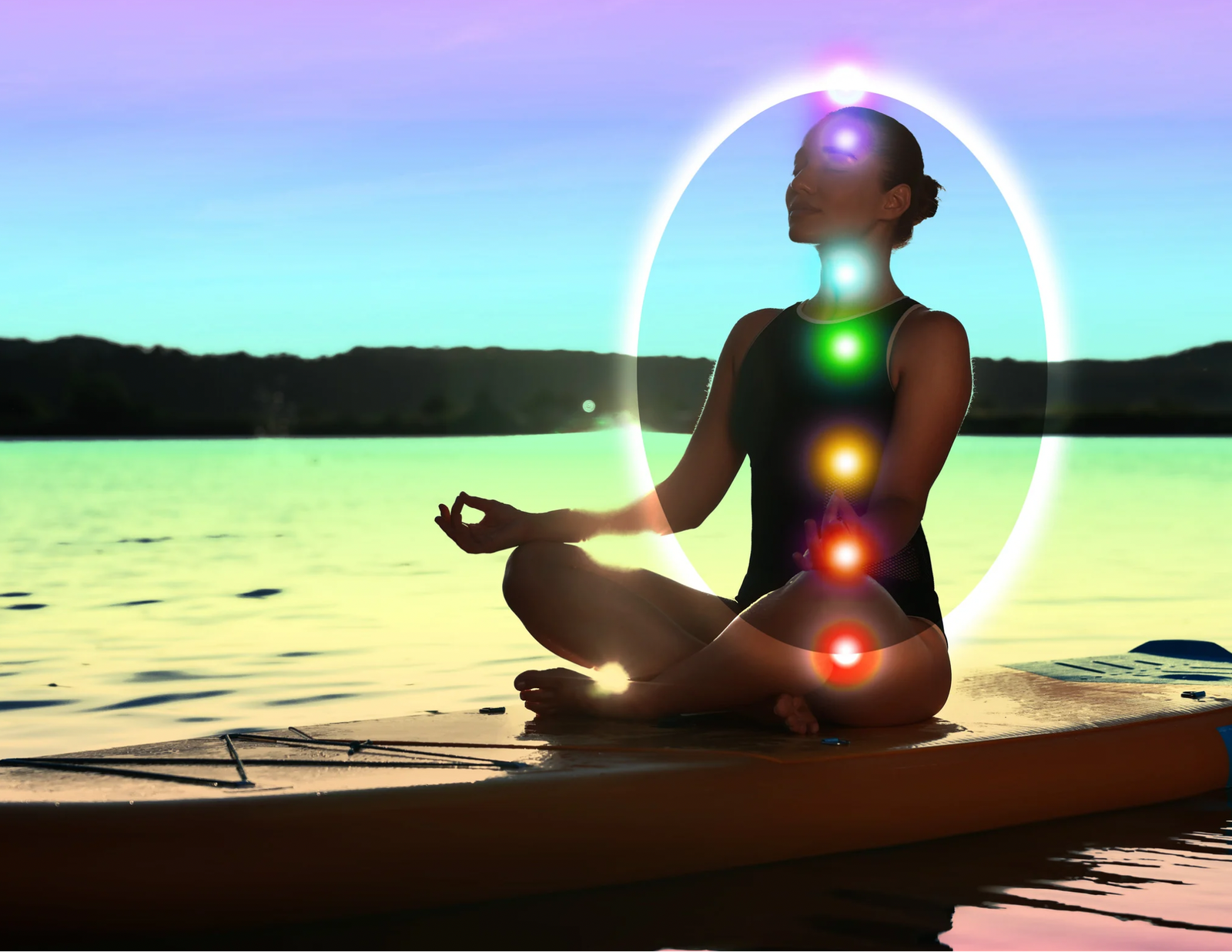
Kundalini Shakti is the divine feminine energy that lies dormant until awakened. When activated, it ascends through the Sushumna nadi, the central channel of the subtle body, piercing each of the seven chakras. This ascent culminates in the Sahasrara chakra at the crown of the head, where Shakti unites with Shiva—pure consciousness.
This union is the essence of enlightenment (moksha), the dissolution of ego, and the realization of the Self.
The awakening process is profound and often accompanied by physical, emotional, and spiritual phenomena:
• Physical: heat, vibrations, spontaneous movements.
• Mental/Emotional: visions, heightened awareness, or temporary instability.
• Spiritual: expanded consciousness and direct experiences with the divine.
Because of its intensity, traditional schools and experienced guides emphasize the necessity of guidance from a qualified teacher.
Symbolism and Philosophy
The serpent imagery conveys the primal subtle energy that underlies all life in the universe, spiritual wisdom, and the cycle of death and rebirth.
Kundalini is inseparable from Shakti, the dynamic principle of the universe. Her ascent to meet Shiva represents the resolution of duality and the attainment of non-dual awareness.
Historical Development
The concept of Kundalini evolved gradually:
• Vedic Foundations (1500–500 BCE): Early hymns in the Rigveda and Atharvaveda reference serpentine energy and inner fire, precursors to Kundalini thought.
• Emergence of Tantra (5th–10th Century CE): Kundalini is explicitly described as a coiled serpent goddess. Tantric texts such as the Kubjika Tantra detail methods of awakening through ritual, mantra, and yogic practice.
• Classical Yoga (11th–15th Century CE): Works like the Hatha Yoga Pradipika and Shiva Samhita provide systematic techniques for awakening Kundalini.
• Modern Transmission: In the 20th century, Kundalini Yoga was codified and spread globally, making these teachings accessible beyond India.
The Subtle Body Framework
Understanding Kundalini requires knowledge of the subtle body (sukshma sharira), the energetic anatomy underlying physical bodily existence that is made up of multiple layers.
• Five Sheaths (Panchakosha): Physical, energetic, mental, intellectual, and bliss layers.
• Three “sub-bodies” (Tri-Sharira): Gross (physical), subtle (mind and energy system), and causal (the karmic seed of rebirth).
• Nadis: Energy channels, numbering in the thousands, with three primary pathways—Ida, Pingala, and Sushumna.
• Chakras: Energy centers along the spine, each governing specific aspects of human experience.
Kundalini’s ascent and descent through these structures creates a peripheral cycle that purifies blockages and awakens higher states of consciousness, with the subtle body reaching higher and more stable vibrational states of equilibrium with each completion of that cycle, until ultimate equilibrium is achieved.
Blockages and Purification
Blockages in the nadis and chakras arise from physical/spiritual toxins, unresolved emotions, negative mental patterns, and karmic residues ingrained in the auric field. Traditional Yogic methods of purification include:
• Pranayama (breath control) to balance energy.
• Meditation and Mantra to clear the mind and vibrationally cleanse channels.
• Asanas (postures) to move stagnant energy.
• Sattvic lifestyle—pure diet and disciplined living—to refine the body and mind (it is not necessary to abstain from meat).
Cross-Cultural Parallels
While Kundalini is rooted in Hinduism, similar concepts appear worldwide:
• Taoism: Qi flowing through meridians.
• Ancient Americas: Many different names for life force energy that fills all things that move and animate the soul, which is interconnected with all that exists in the universe. Chii (Zapotec), Tonalli (Mexica), Ch’ulel, K’uhul (Mayan).
• Sufism: Lataif, subtle centers of divine light.
• Kabbalah: The Tree of Life as pathways of energy.
• Theosophy: Seven subtle bodies mirroring Hindu koshas.
These parallels confirm that humanity has intuited the existence of inner subtle energy systems for a long time, though expressed in different cultural languages and throughout different periods of time.
Conclusion
To awaken Kundalini is to engage directly with the deepest, most subtle underlying forces of life, consciousness, and existence.
The subtle body provides the circuit that Kundalini energy cycles through. With proper preparation, discipline, and guidance, the journey of Kundalini Ascension will lead you to the highest goal of human existence: divine liberation, through union with the divine.
